What Is Construction? Complete Guide For Beginners
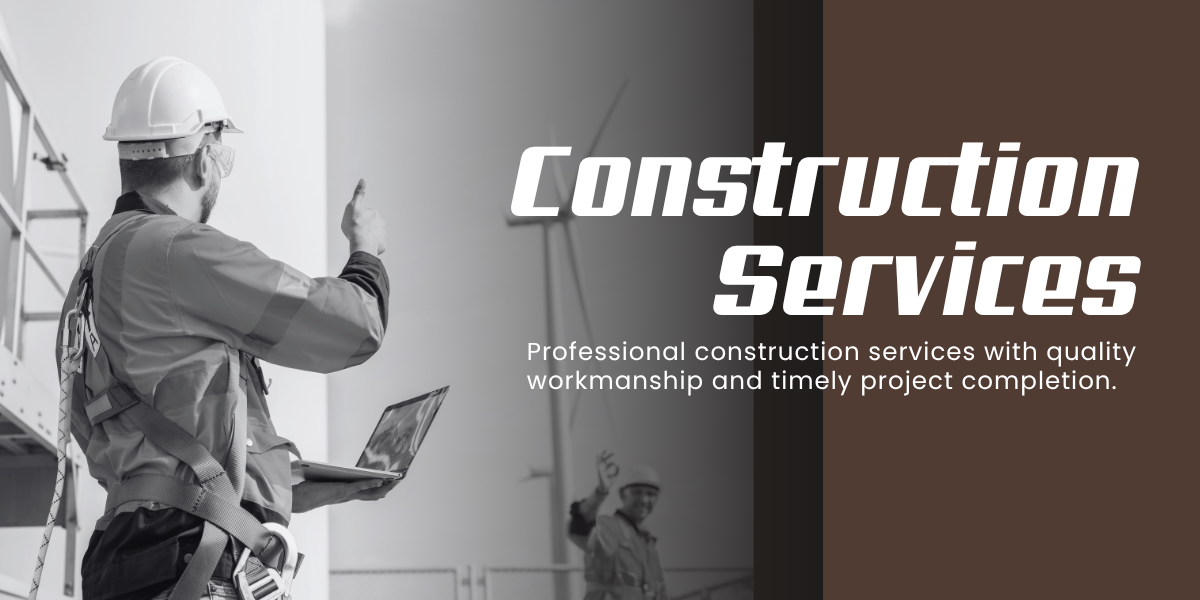
Construction is the process of building structures, homes, roads, bridges, factories, and public infrastructure. It is one of the most important industries because it supports economic growth, transportation systems, urban development, and modern lifestyles. Almost every building and public facility around us is connected to construction in some way.
In simple words, construction is not only about building walls or roofs. It is a complete process that includes planning, designing, engineering, material selection, labor work, and project management. Every construction project requires teamwork between architects, engineers, contractors, supervisors, and workers to ensure quality and safety.
For beginners, understanding construction can feel difficult because the industry includes many technical terms and different project types. However, when explained in simple language, the concepts become much easier to understand. This guide explains construction, its types, major stages, materials, technologies, and future opportunities in a clear and user-friendly way.
Understanding Construction and Its Importance
Construction is the activity of creating, repairing, renovating, or improving structures and infrastructure. Projects can range from small home renovations to large-scale developments like highways, airports, and industrial plants. Every project starts with planning and moves through different stages before the final structure is completed.
The construction industry plays a major role in improving living standards and supporting economic growth. It helps create homes, offices, schools, hospitals, transportation systems, and industrial facilities that people use every day. Construction also creates employment opportunities and supports the growth of businesses and industries.
Why Construction Is Important
Construction supports both public and private development. It helps improve connectivity, business opportunities, modern infrastructure, urban growth, and overall community development across different sectors.
Some major benefits of construction include:
- Better residential and commercial spaces for modern living and business operations
- Improved roads and transportation systems for smoother travel and connectivity
- Growth in industrial development and large-scale manufacturing activities
- Employment opportunities for skilled and unskilled construction workers
- Better healthcare and educational infrastructure for public convenience and development
Modern construction methods are becoming more advanced because companies are now using smart technology, automated systems, and sustainable building solutions to improve project quality and reduce construction time.
Main Types of Construction
The construction industry is divided into different categories depending on the type and purpose of the project. Each category requires different planning methods, equipment, materials, and technical expertise.
Building Construction
Building construction is one of the most common types of construction work. It mainly focuses on residential and commercial buildings such as houses, apartments, schools, hospitals, hotels, shopping malls, and office buildings.
Residential construction projects are developed to provide comfortable and safe living spaces for families and individuals. Commercial construction projects are designed for business activities and include office spaces, restaurants, showrooms, retail stores, and entertainment centers.
This type of construction requires proper planning for structural strength, plumbing systems, electrical work, ventilation, waterproofing, and interior finishing.
Civil Construction
Civil Engineering Civil construction mainly focuses on infrastructure and public utility projects. It is an important sector because it supports transportation, communication, drainage systems, and water supply facilities.
Civil construction work includes:
- Roads and highways that improve transportation and support smooth connectivity between cities and towns
- Flyovers and bridges designed to manage traffic movement and improve transportation infrastructure
- Railway tracks and metro systems developed for better public transportation and urban connectivity
- Dams and drainage systems used for water management and flood control
- Water pipelines and sewage systems that help maintain clean water supply and waste management infrastructure
These projects often require heavy machinery, advanced engineering methods, skilled labor, and strong project management because of their large scale and technical complexity. Proper planning, safety standards, and quality materials are also essential for durability and smooth project execution.
Industrial Construction
Industrial construction includes projects developed for manufacturing, production, and industrial operations. These facilities are designed to support heavy machinery and industrial processes safely and efficiently.
Factories, power plants, oil refineries, manufacturing units, and chemical plants are common examples of industrial construction. These projects require strong structural systems, technical installation methods, and high safety standards.
Infrastructure and Heavy Civil Construction
Infrastructure construction focuses on projects that improve public services and urban development. Airports, highways, sewage systems, bridges, tunnels, and water treatment plants are important examples of infrastructure construction.
Heavy civil construction refers to large-scale projects that require advanced engineering and specialized equipment. These projects usually involve high investment and are often managed by experienced contractors or government organizations.
Bridge construction is also an important part of civil engineering because bridges improve transportation connectivity and reduce travel time between cities and regions.
Site Preparation and Foundation Work
Before construction starts, the site is prepared through land cleaning, excavation, soil testing, and ground leveling. Proper site preparation creates a stable base for the structure.
The foundation is one of the most important parts of construction because it supports the entire load of the building. Strong foundations improve structural stability and long-term durability.
Structural Construction and Finishing
This stage includes the construction of walls, columns, beams, slabs, and roofing systems using strong construction materials like concrete, steel, bricks, and cement to create a durable and stable structural framework.
After the structural framework is completed, finishing work begins. Finishing includes:
- Painting and polishing work for better appearance and surface finishing
- Flooring installation using durable and attractive flooring materials
- Plumbing and electrical fittings for smooth utility and system operations
- Ceiling work to improve interior design and finishing quality
- Door and window installation for safety, ventilation, and proper functionality
Inspection and Project Handover
Before final completion, engineers and supervisors carefully inspect the building for safety, structural quality, finishing standards, and overall performance. Once all systems, fittings, and construction work are properly checked and approved, the completed project is officially handed over to the client.
Materials and Technology Used in Construction
Construction projects require different materials depending on the design and project type. Cement, concrete, steel, bricks, sand, aggregates, and glass are some of the most commonly used materials in the industry.
The quality of these materials directly affects the strength, durability, and finishing quality of the structure. Proper material selection is important for maintaining safety and long-term performance.
Modern Construction Technology
Technology has transformed the construction industry significantly over the years. Modern construction companies now use advanced tools, smart systems, and digital technologies to improve efficiency, increase accuracy, reduce project delays, and enhance overall construction quality.
Popular technologies include:
- 3D building design software for accurate planning and structural visualization
- Drone-based site inspections for better monitoring and project supervision
- Automated construction machinery for faster and more efficient construction work
- Smart project management systems for tracking progress and resource management
- Prefabricated construction methods for quicker installation and reduced construction time
These technologies help improve project accuracy, increase overall productivity, reduce construction time, enhance safety standards, and support better project management throughout the construction process.
Safety, Challenges, and Future of Construction
Safety is one of the most important aspects of construction work because construction sites can become dangerous without proper precautions. Workers are required to use safety equipment and follow industry guidelines to reduce risks during project execution. Bharatam Home Solution also focuses on maintaining proper safety standards and quality practices during construction projects.
Common Construction Challenges
Although the construction industry offers many opportunities, it also faces several challenges such as:
- Rising material costs and increasing construction expenses for project completion
- Labor shortages and lack of skilled construction workers in projects
- Weather-related delays affecting construction timelines and overall work progress
- Equipment maintenance issues causing operational delays and reduced efficiency
- Budget management problems during large-scale construction and infrastructure projects
Proper planning and efficient project management help reduce these challenges and improve productivity.
Future of Construction Industry
The future of construction is becoming more advanced, technology-driven, and environmentally friendly. Modern companies are focusing on sustainable materials, smart infrastructure, energy-efficient systems, and eco-friendly building methods.
Future trends include smart buildings, modular construction systems, digital project management, automated equipment, and green infrastructure development. Companies like Bharatam Home Solution are contributing to modern construction solutions by focusing on quality work, professional planning, and reliable project execution.
Frequently Asked Questions
What is construction in simple words?
Construction is the process of building or improving structures such as homes, offices, roads, bridges, and public infrastructure using materials, labor, and engineering methods.
What are the main types of construction?
The main types of construction include building construction, civil construction, industrial construction, commercial construction, infrastructure construction, and heavy civil construction.
What is civil construction work?
Civil construction work mainly focuses on public infrastructure projects such as roads, highways, bridges, dams, drainage systems, and railway tracks.
Why is construction important?
Construction is important because it helps develop cities, improve transportation, create employment opportunities, and build residential, commercial, and industrial infrastructure.
What materials are commonly used in construction?
Common construction materials include cement, concrete, steel, bricks, sand, aggregates, and glass.